
🔥 LATEST NEWS 🛑 “If the FIA keeps adding more rules, we should bring a legal dictionary into the cockpit instead of a steering wheel.” Max Verstappen has once again ignited a storm across Formula 1 with a sharp 12-word statement that has quickly become one of the most talked-about moments of the season, triggering widespread debate about the direction of modern motorsport.
The comments, delivered in a tense post-session media interaction, were interpreted as a direct criticism of the increasing complexity of racing regulations and the growing influence of stewards and governing bodies in race outcomes. Verstappen, known for his uncompromising driving style and outspoken views, did not hold back as he addressed what he believes is a fundamental shift in the sport’s identity.
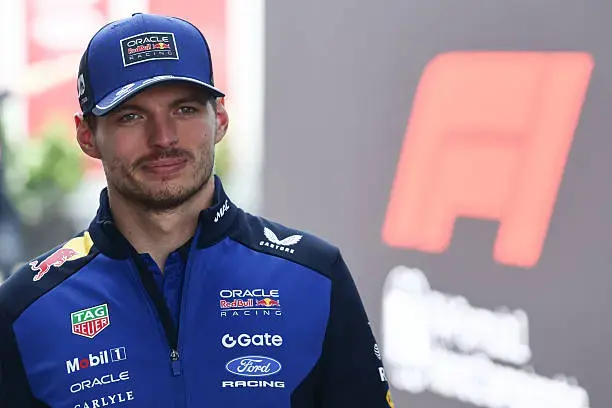
According to observers close to the paddock, the Dutch driver expressed frustration that Formula 1 is gradually moving away from pure racing competition and toward a heavily regulated environment where penalties, investigations, and post-race decisions often overshadow on-track performance. His remark about bringing a “legal dictionary into the cockpit” was seen as a symbolic statement reflecting that frustration.
The timing of his comments added even more weight to the situation. Coming during a highly competitive phase of the season, where every point matters in both the Drivers’ and Constructors’ Championships, Verstappen’s words immediately sparked reactions from fans, analysts, and officials alike. Social media platforms were quickly flooded with debates, with supporters divided between those who agree with his sentiment and those who believe stricter rules are necessary for fairness and safety.
Verstappen also suggested that Formula 1 has become “too sensitive,” implying that small on-track incidents are increasingly scrutinized under a microscope, often leading to penalties that can alter race results. While he did not reference a specific incident in detail, his comments are widely believed to reflect ongoing tensions between drivers and race control decisions throughout recent seasons.
This is not the first time Verstappen has voiced concerns about regulatory direction in Formula 1. Over the past few years, he has repeatedly hinted that excessive rule enforcement risks diluting the natural intensity of racing. His latest statement, however, is being viewed as one of his most direct and provocative critiques yet, raising speculation about his long-term relationship with the sport.
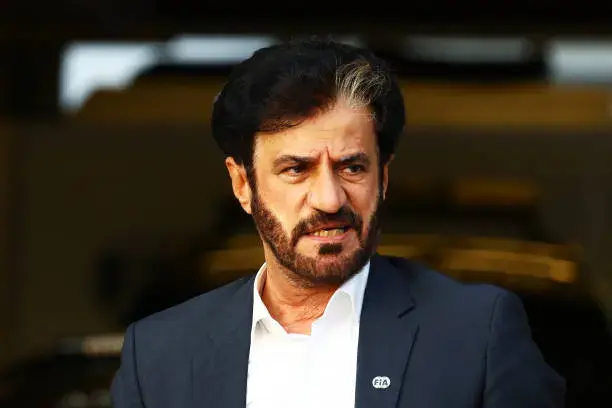
Within minutes of the statement circulating, reactions began pouring in from across the Formula 1 community. Former drivers and analysts noted that while regulations are essential for safety and consistency, there is a growing concern that the balance between control and racing freedom may be shifting too far. Others, however, defended the FIA’s position, arguing that modern motorsport requires strict governance to ensure fairness and protect drivers.
Just five minutes after Verstappen’s remarks gained traction, the FIA president was reportedly forced to respond urgently, signaling the seriousness with which the governing body viewed the situation. Although the initial response was measured, it acknowledged the importance of ongoing dialogue between drivers and officials regarding the evolution of racing rules.
The intervention immediately intensified discussions within the paddock. Team principals, engineers, and drivers began weighing in privately and publicly, with some expressing agreement with Verstappen’s underlying concerns, while others emphasized the necessity of structured regulations in an increasingly complex sport.
Inside the Formula 1 community, opinions remain sharply divided. Supporters of Verstappen argue that his comments reflect the frustrations of many drivers who feel constrained by constant rule changes and inconsistent stewarding decisions. They believe that the essence of racing lies in instinct, skill, and wheel-to-wheel battles, rather than post-race penalties and lengthy investigations.
On the other hand, critics argue that modern Formula 1 operates in a vastly different environment compared to previous decades. With higher speeds, advanced technology, and increased global scrutiny, they maintain that strict regulations are not only justified but essential for maintaining safety and competitive integrity.
Despite the controversy, Verstappen’s influence on the sport remains undeniable. As one of the most dominant drivers of the current era, his words carry significant weight and often shape public discussion within Formula 1. Whether intended as a moment of frustration or a broader critique of the sport’s direction, his statement has once again placed him at the center of a global debate.
There is also growing speculation about what this ongoing tension could mean for the future. While there is no official indication that Verstappen intends to leave Formula 1 in the near term, his repeated criticism of the regulatory environment has fueled conversations about driver satisfaction and long-term engagement with the sport.
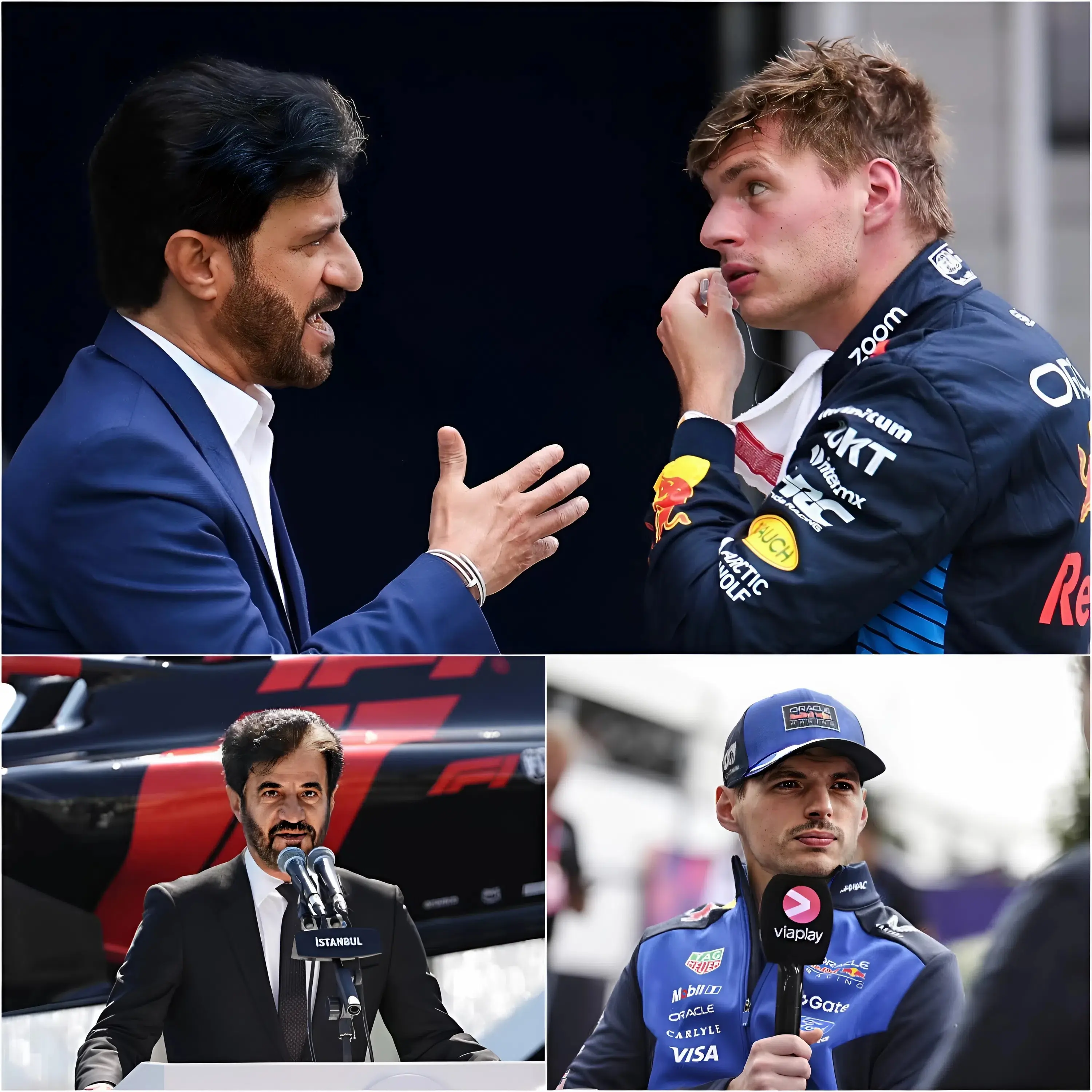
For now, all eyes are on how the FIA and Formula 1 leadership will address these concerns moving forward. With the championship battle still unfolding and tensions already high on and off the track, any further escalation could have significant implications for the remainder of the season.
What is clear is that Verstappen’s 12-word statement has done more than just spark controversy—it has reignited a fundamental debate about the identity of Formula 1 itself. Is it still a pure racing sport defined by instinct and speed, or has it evolved into a heavily regulated system where interpretation and enforcement play an equally decisive role?
As the discussion continues to unfold across teams, officials, and fans worldwide, one thing remains certain: the conversation sparked by Max Verstappen is far from over, and its impact may be felt well beyond this season.